


The allure of chance: Why players gravitate towards casinos
The psychological thrill of gambling is an intriguing aspect of human behavior. For many, the uncertainty of casino games provides an exhilarating escape from daily life, prompting them to explore options available here. Players are often drawn to the excitement of winning big, creating an environment ripe for psychological exploration. This allure is not just about financial gain; it taps into a deeper desire for risk-taking and the adrenaline rush that accompanies it.

Moreover, casinos are specifically designed to captivate players, from the vibrant colors to the sounds of winning machines. These elements stimulate the senses and create an atmosphere that encourages prolonged engagement. A combination of emotional highs and lows keeps players coming back, as they seek to replicate the euphoric moments experienced during gameplay.
Understanding player preferences: Game types and psychological factors
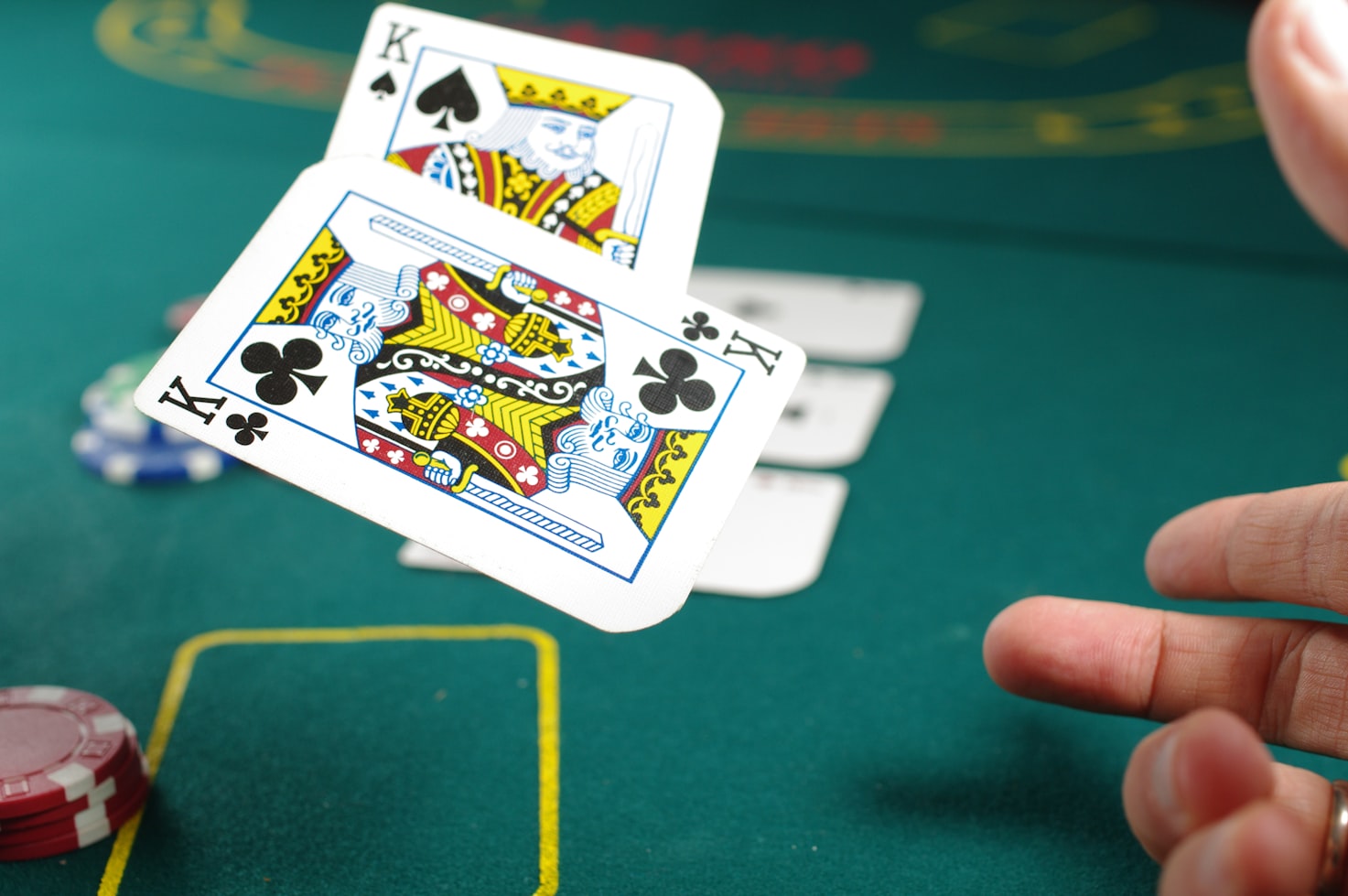
Certain types of games attract specific populations based on psychological preferences. For instance, games of skill like poker tend to attract more strategic thinkers who enjoy analyzing probabilities and making calculated decisions. On the other hand, games of chance like slots appeal to those who prefer a simpler, more spontaneous form of excitement without the need for extensive skill. The diversity in game types makes casinos popular destinations for all kinds of players.
Additionally, the social aspect of gambling plays a crucial role in game selection. Many players enjoy the communal experience of games that involve multiple participants, such as blackjack or roulette. This interaction fosters a sense of belonging and camaraderie, which can enhance the overall enjoyment of the casino experience, influencing their choice of games.
Emotional influence and decision-making in gambling
Emotions significantly impact our decision-making processes, especially in environments rich with stimuli like casinos. Many players make choices based on current emotional states—those feeling lucky may opt for more risk-intensive games, while players experiencing stress might seek out familiar, less risky options. This emotional volatility can lead to erratic gambling behavior, as players chase losses or seek to capitalize on perceived luck. Understanding this aspect of gambling psychology is essential.
The concept of loss aversion is also relevant here. Players often find it psychologically painful to lose, which can compel them to continue playing in hopes of reversing their fortunes. This cycle can lead to problematic gambling patterns and further complicates the psychology behind game choices, as the desire to recover losses can drive players towards riskier bets.
The charm of rewards: How psychology shapes game design
Casino game design takes full advantage of psychological principles to maximize player engagement. Variable reward schedules, where payouts are unpredictable, are particularly effective at maintaining interest. The excitement of potentially hitting a jackpot keeps players at the machines, even when they face numerous losses. This slot machine phenomenon demonstrates the power of intermittent reinforcement in influencing behaviors.
In addition, designers incorporate features like near-misses and celebratory sounds to create an illusion of winning, reinforcing players’ engagement. This manipulation of perception is a deliberate tactic to enhance the gaming experience and encourage players to stay longer, ultimately leading to their game choices being influenced by these cleverly crafted psychological cues.
Security and online gambling: The role of safety in player choices
As online gambling gains popularity, the psychological impact of security becomes increasingly significant. Players are concerned about the safety of their personal information and the fairness of the games they play. Websites that prioritize security protocols and provide a safe gaming environment can enhance player trust and influence their choices positively.
Utilizing advanced security solutions not only helps protect users but also contributes to a more pleasant gaming experience. When players feel secure, they are more likely to engage with various games, knowing that their data is protected, and they can focus purely on the thrill of the game. This level of assurance allows for a more enjoyable and less stressful environment, ultimately affecting their game preferences.
